Karma Larsen Nebraska Statewide Arboretum
The front yard is the most public and visible part of home landscapes. It’s important in terms of welcoming visitors, defining entrances, giving the house some separation from the street and situating it comfortably within the physical environment.
Besides its value to the owner, the curb appeal and appearance of our front yards also impacts neighbors, property values and the larger community.
While curb appeal is often reduced to sale value, its impact on passersby might be a more meaningful evaluation. When walkers adjust their route to go past your yard … that’s curb appeal.
Because they are so visible and public, front yards tend to be more about form than function while backyard privacy lends itself more to activities like eating, relaxing, recreation, growing edibles and other personal preferences.
In terms of size, trees have the most impact aesthetically and spatially on the way structures fit into their surroundings. When placed thoughtfully (shading from deciduous trees on the south, shelter from evergreens on the north), they can reduce heating and cooling costs by 25% or more and make both the indoors and outdoors more appealing throughout the year. Trees frame views both from the street and from inside as seen through windows. They help mark boundaries and can shelter areas of the front yard, separating them for activities like eating outside, play areas for kids, etc. Even a very exposed street-side landscape can be made more private and usable by means of screening with plants or fences.
People are also reading…
The more layered the plantings in any landscape, from tall shade trees to shrubs to low-lying perennial beds, the more interest and year-round appeal they’re likely to offer. They also provide a more hospitable setting for plants, with larger plants creating a sheltered micro-climate for smaller plants as well as birds, butterflies and other pollinators and wildlife — further increasing interest and diversity. For more separation and screening from the street, some homeowners develop berms or islands between the house and the street. The more natural they appear, the better they fit in.
Lawns provide year-round green but some homeowners forego turfgrass entirely in favor of low-growing perennials or groundcovers, in many cases with a focus on native plants for larger environmental benefits and biodiversity. Keeping them well-managed with land paths or other evidence of intentional design can make them more appealing to turf-preferring neighbors.
In any planting effort, make sure there are no city or neighborhood restrictions about size and species, and no utilities, above or below ground, that should be avoided.
Sometimes we give little thought to our yards but the way we plan and care for them can have far more impact than we realize in terms of how inviting they are to ourselves and the people around us, and on how much time and pleasure we get from being out in them.

Returning to Nebraska to film parts of the television series “RV There Yet?” brought an unexpected homecoming for Lincoln native Patrice McCabe and her husband, Kevin.
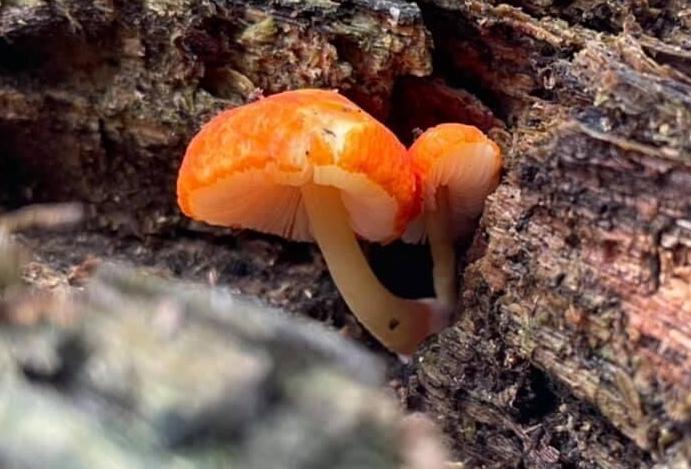
Josh Herr, an assistant professor at UNL, said Jon Hees has “really taught himself everything. He’s really latched on to the science of it.”
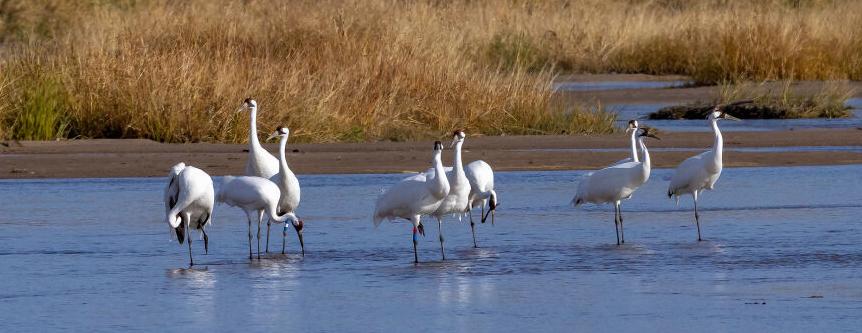
Experts aren’t sure why 95 of them stayed on the Platte River in central Nebraska this past week compared with the usual 12 to 16. A strong south wind was likely a contributing factor.
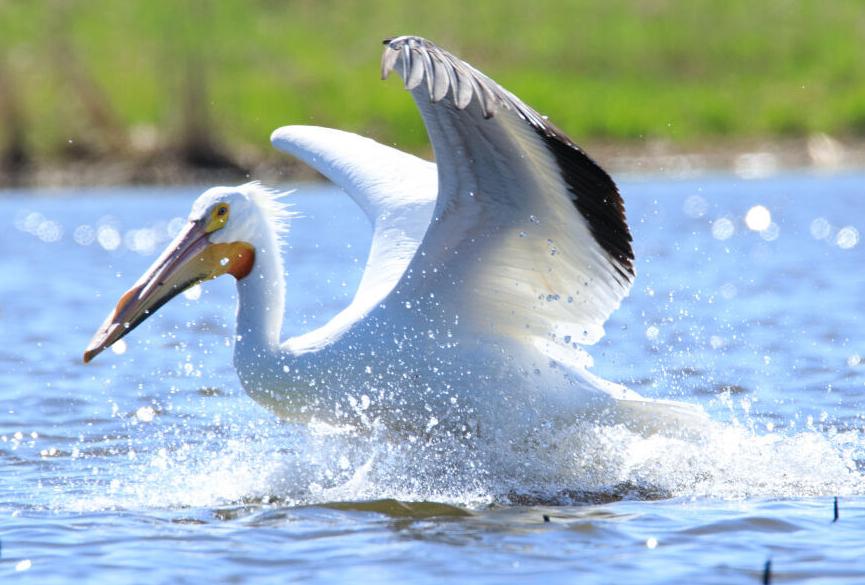
With its 1,250 nests, Wolf Island and its population is the first major American white pelican nesting colony in Nebraska.

Since Chadron State Park opened in 1921, the number of Nebraska state parks has grown to 76. More than 12 million people visit each year.
.