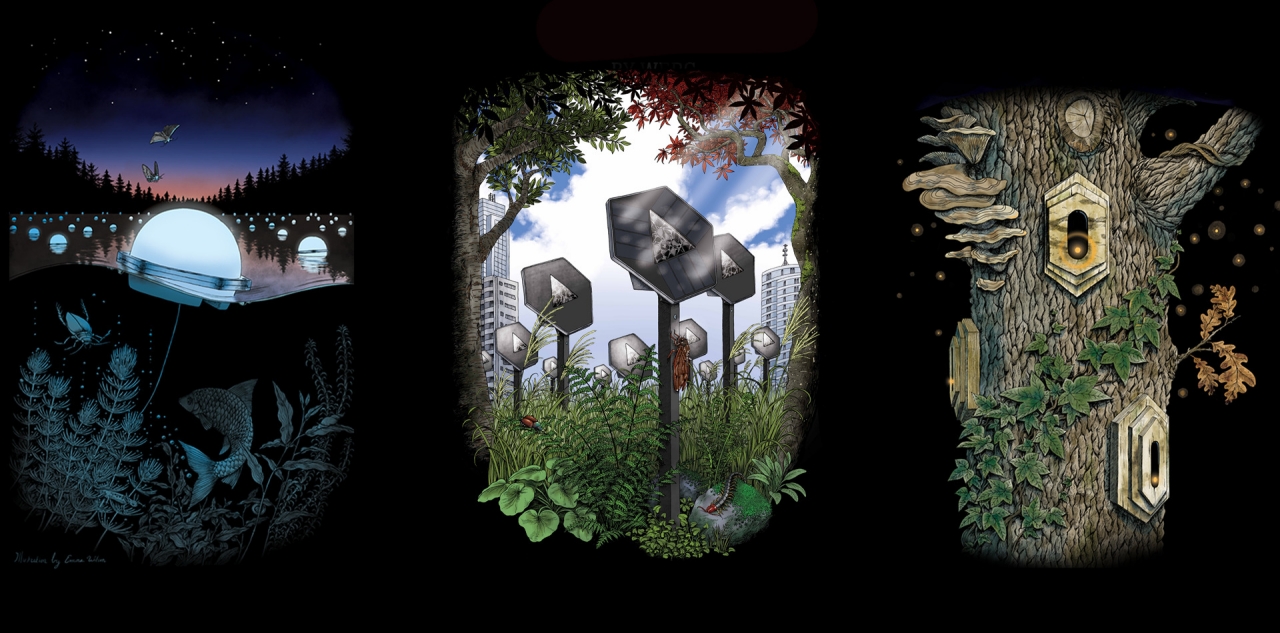
Move over Tamagochi. This “digital being” can live in nature and survive any weather without any human intervention while looking great at night too!
Art installations that blend technology and nature are nothing new, but many of them simply take inspiration from nature in terms of design or structure. These fixtures also take a lot of time and effort to maintain, not to mention electricity that can be used for more important purposes. This is where Werc’s collection of light and sound installations comes in, inspired by nature not by the way they look but by the way they “live” in nature, just like normal biological creatures.
Designer: Werc Studio
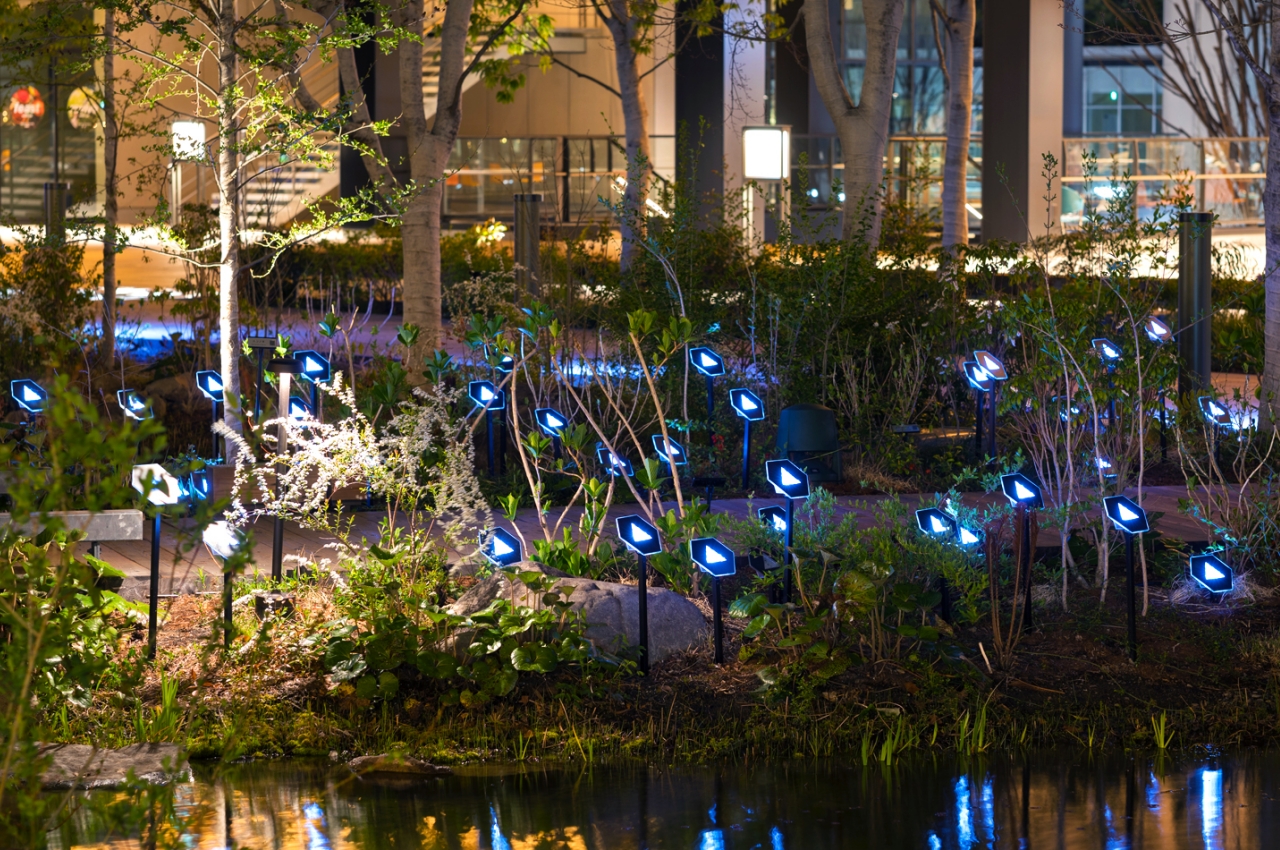
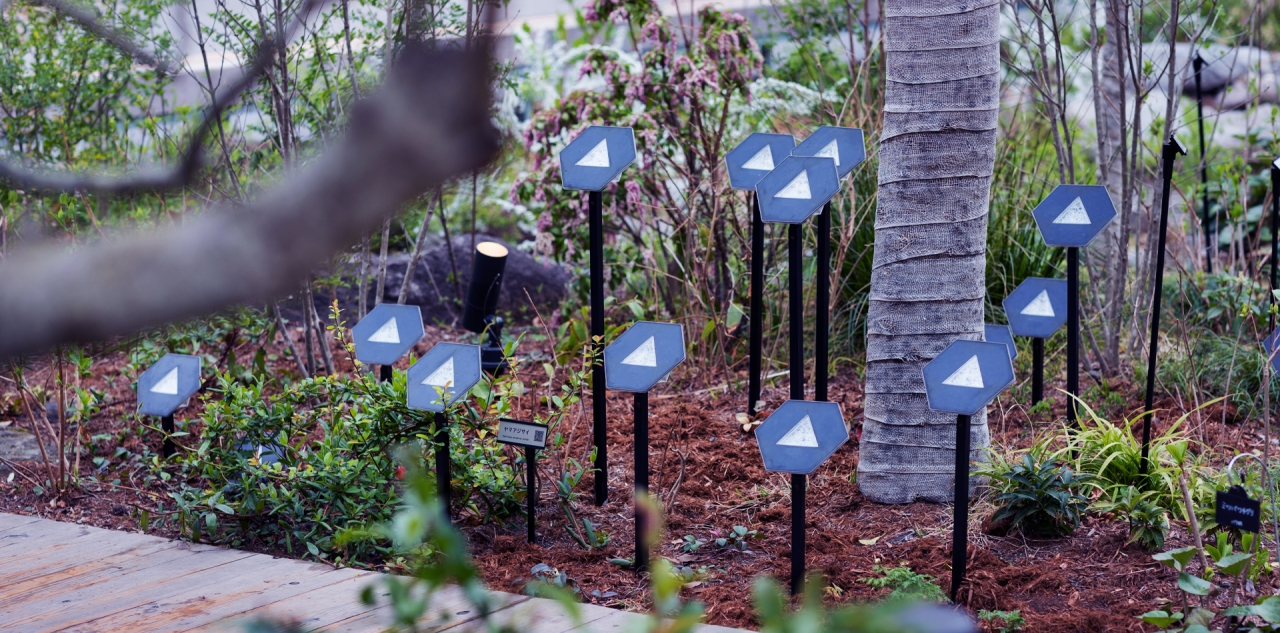
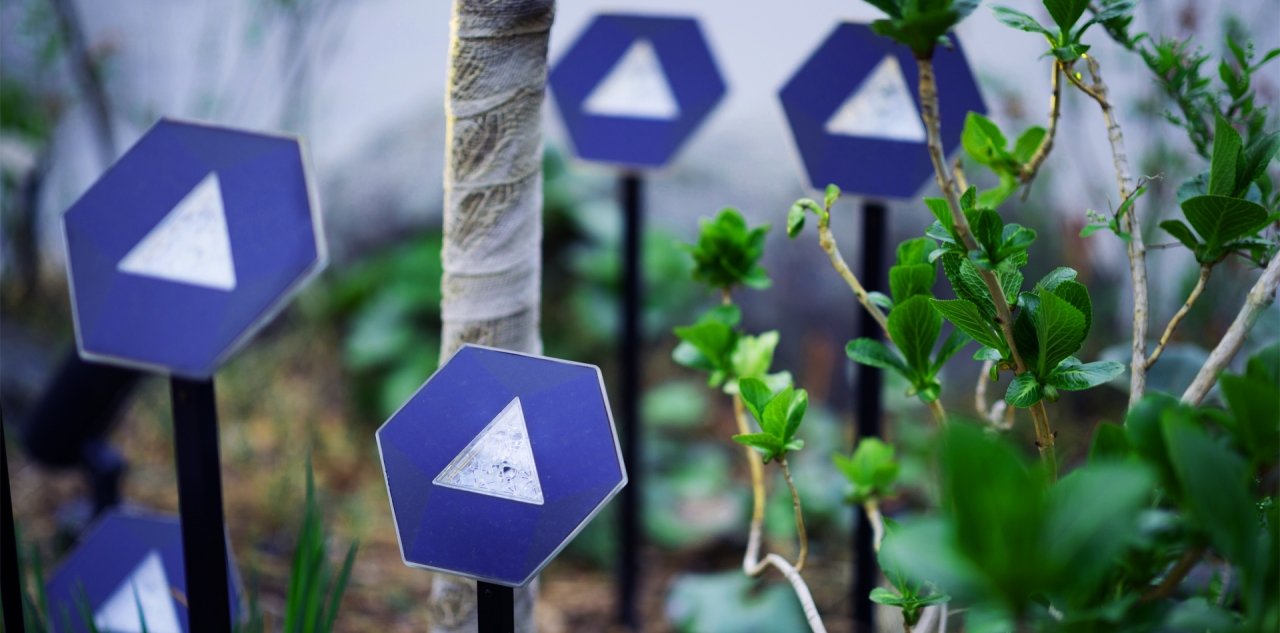
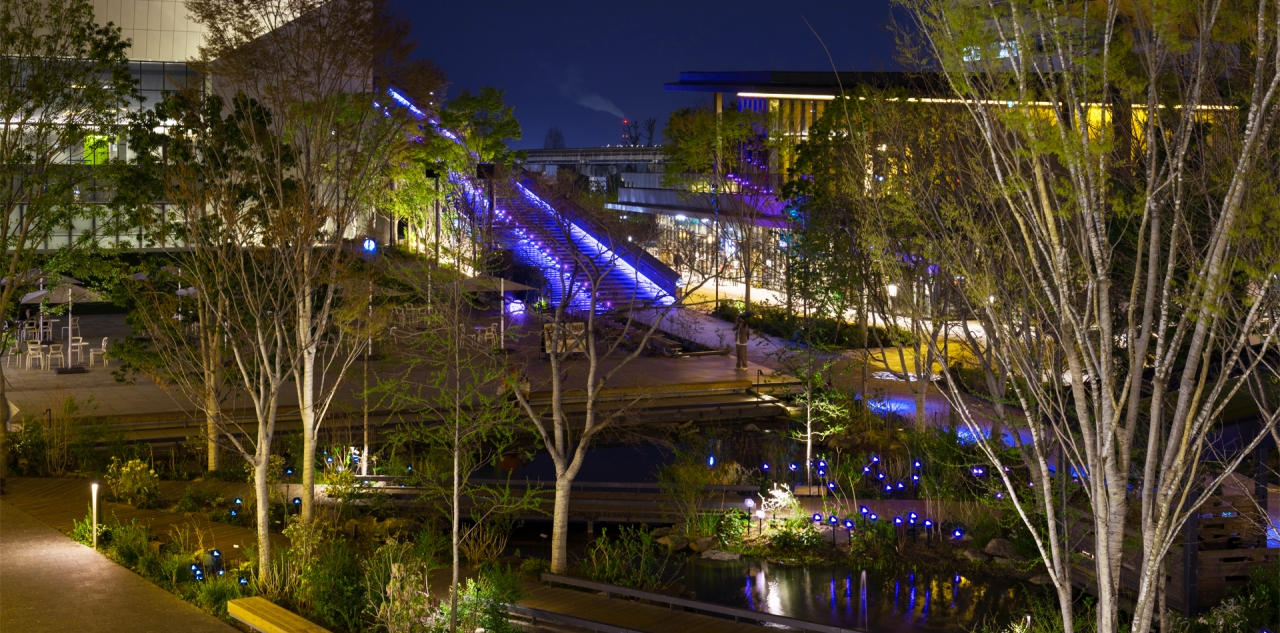
Tane is described as a self-reliant art installation and a “digital object” at the same time. It is completely electronic, without organic components, but it mimics the behavior of groups of living things, especially when it comes to the weather. At its simplest, each Tane, a name for both collective and individual “living things”, is a solar powered outdoor LED light. What makes it different is how it responds to the weather and its neighbors, almost like an organism.
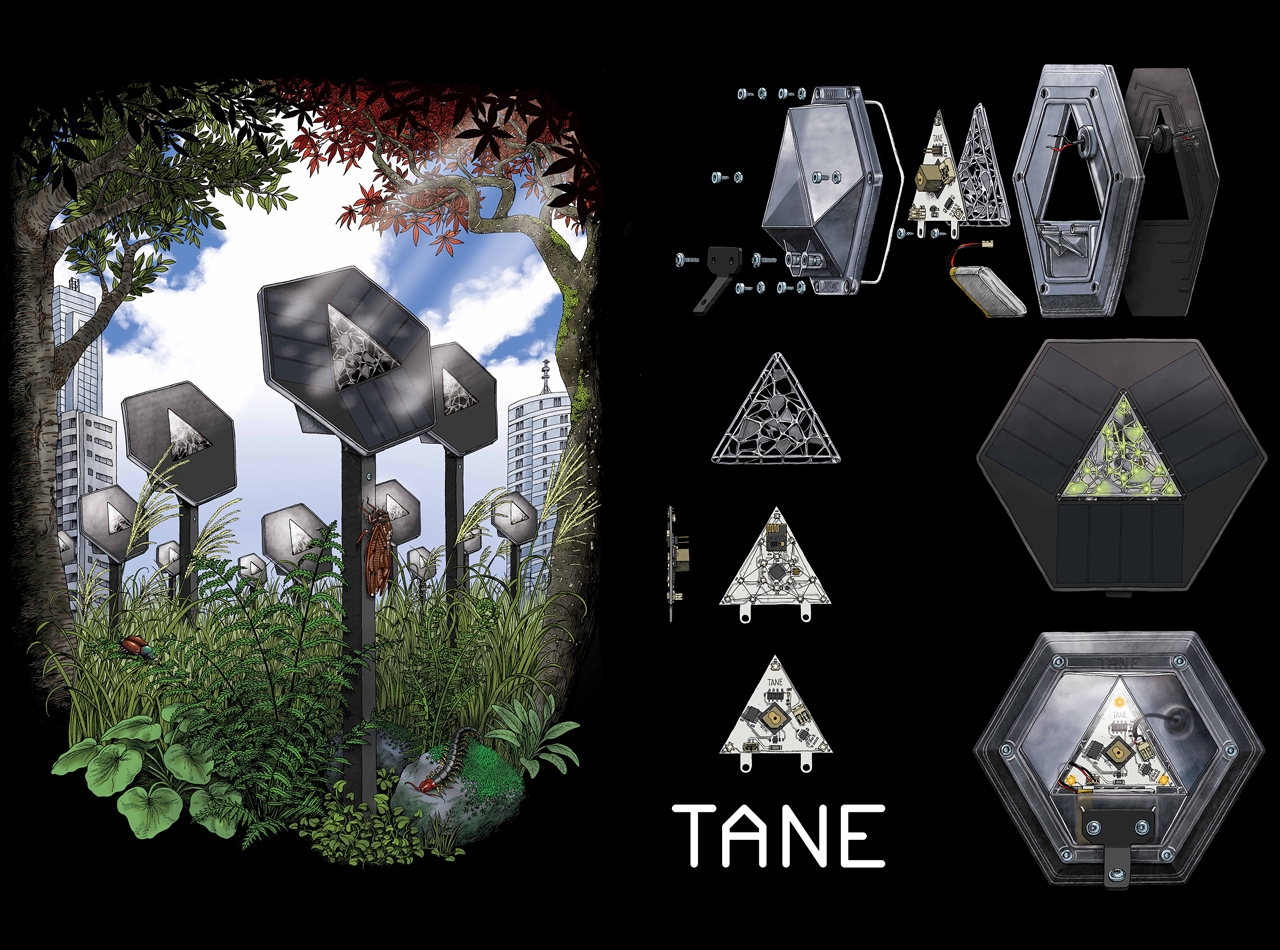
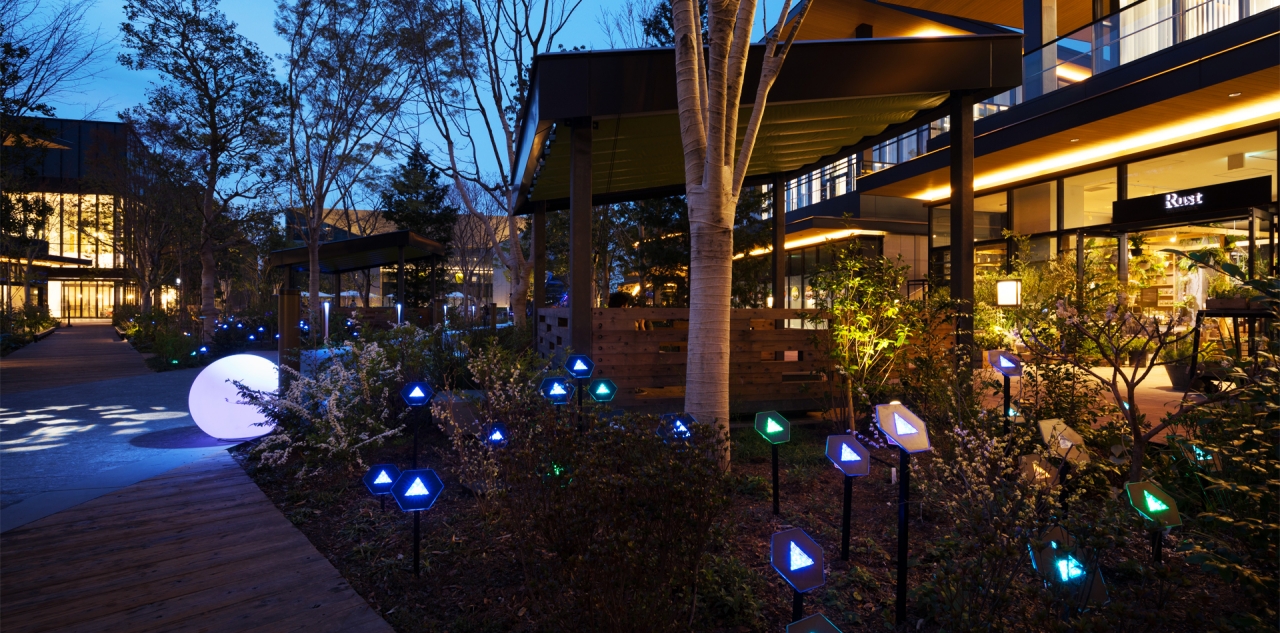
During the day, it tries to absorb as much sunlight as possible while making gentle noises that may call to mind daytime creatures such as insects and even birds. Tane starts displaying the light at night, but how the lights display depends on so many different factors, including the weather, that it seems almost random. Every night can be a different experience, and when all units at Tane are fully charged, the art installation floats over the moon with a dazzling show of lights.
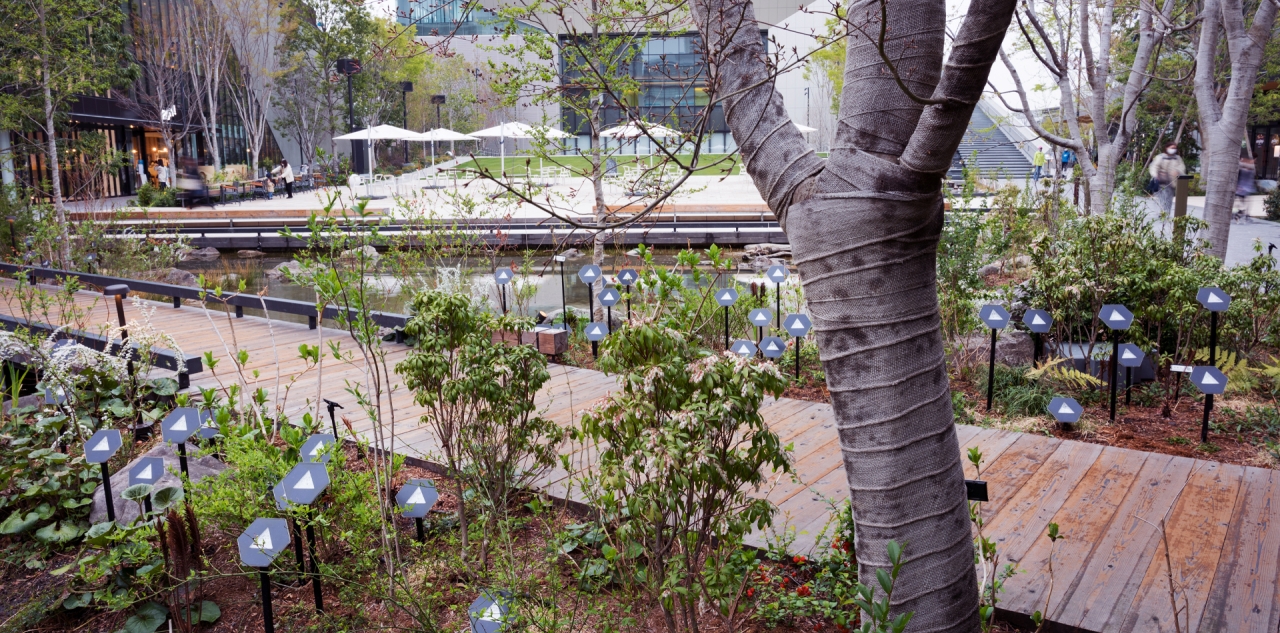
Tane is actually the third Werc “Lumo” family of digital objects. All three are also somewhat self-sufficient and communicate with each other like a flock but also respond to their environments in different ways. Pixi sticks to trees and reacts to temperature and humidity, while Lily floats on water and reacts to waves. Not only do Tane and his cousins see how art and technology are inspired by nature but also how they can learn from it to produce designs that are visually pleasing and sustainable as well.