How to choose the front door of the house?

As much as the walls, ceilings and pieces of furniture define the character and perception of an architectural project, doors play a crucial role in building this style. Of all the doors used in homes, the front door is the first tangible element that homeowners and visitors will encounter, as it is the focal point where architecture greets the user. After all, first impressions always matter; And it is the entrance door, of course, that can set the tone for the rest of the interior. However, choosing the right front door for a contemporary home can be challenging, especially with so many design possibilities. So, before making that decision, it’s crucial to know what these possibilities are — and how you can turn a front door into a design statement.
With this in mind, we’ve identified four main considerations when choosing an entrance door: material, style, color, and size. To help inspire homeowners and architects, we present them with a range of beautiful modern front doors with a strong and unique character.
Diverse material possibilities
Wood
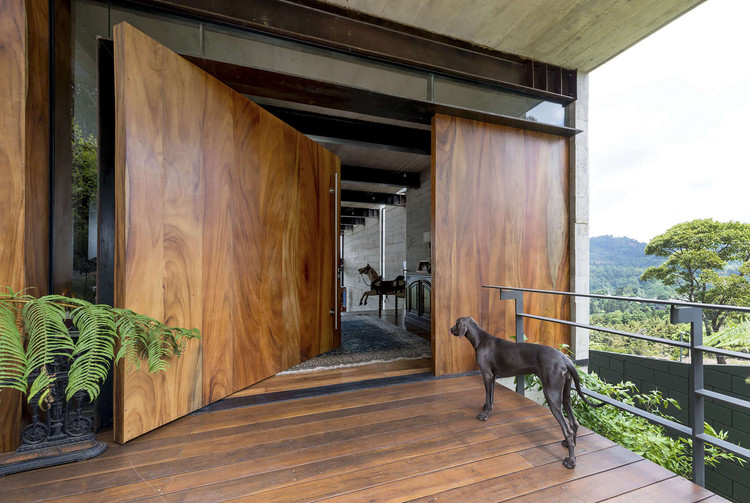
Choosing the right entrance door often begins with deciding which materials will best complement the home’s architecture. To this day, wood remains the classic choice due to its versatility, timelessness, and warm, nature-inspired feel. The material can be used in a variety of formats, finishes, and styles; From a rustic vibe with a raw palette, to an elegant look with polished wood finishes. Although they naturally expand and contract with changes in temperature, with improved manufacturing and routine maintenance, exposed wood front doors are extremely durable and offer that unparalleled elegant and comfortable aesthetic.




glass
When it comes to prioritizing views and light doors, glass and fiberglass doors are ideal, and they are definitely gaining popularity in contemporary residential entryways. Typically paired with a steel frame, these homes brighten homes with natural sunlight while providing a sleek, modern look. At the same time, by removing the boundaries between the outside and the inside, they expose the interiors and frame the landscape like a beautiful painting. Besides being durable and easy to clean, glass front doors can also be tinted, reflective or frosted, responding to privacy concerns while keeping light passing through. To ensure safety, it can be reinforced with window film, laminated safety glass or polycarbonate glass shields.


Solid
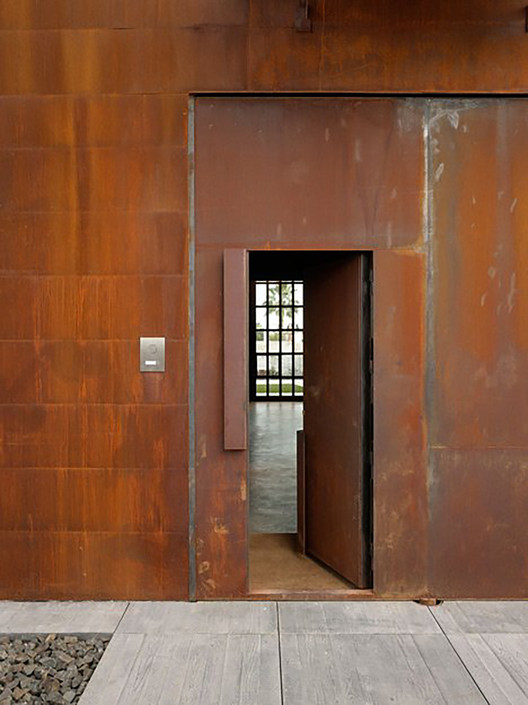
On the other hand, steel is often known as the most versatile and cost-effective material for entry doors, offering design flexibility and greater durability compared to glass and wood. They do not expand or contract, withstand diverse climatic conditions, and insulate better. Although they can be repainted and imitate other materials with decorative panels, “raw” steel doors with rusty finishes (commonly known as corten steel) can certainly be aesthetically pleasing, especially when creating a modern industrial look.


Different types of door opening movements
the hub
Regardless of their aesthetic value, front doors must allow efficient movement of people and things. Besides the standard single hinged door, there are other innovative door opening styles to choose from. When it comes to making a statement, pivot front doors are perfect for modern homes. Essentially, the pivot door rotates on a vertical axis, creating a freely rotating canvas that adds interesting movement. They can be made of countless materials – such as marble, glass, or metal – and offer flexibility in length, width, and weight. Thus, with innovative hardware and easy installation, pivot door offers endless functionality and design possibilities while creating a stylish grand entrance.


Double
Commonly known as French doors, double entry doors have a wide and inviting entry. Although single entry doors work perfectly, there are many benefits to double doors to consider. First, they provide a larger access point that can be useful for entertaining or relocating larger furnishings, giving the welcoming feel of a larger home and the open feel of a smaller home. Of course, the larger area also means more exposure to natural light and better views when opened. Since double doors are essentially a pair of hinged doors that open away from each other, installation is simple and there are a myriad of materials available.


sliding
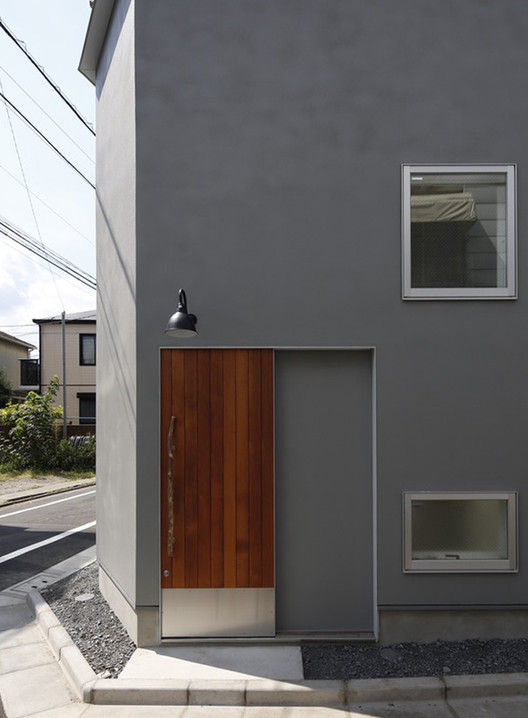
Although they are mostly used as dividers for interior spaces, sliding front doors are a viable alternative. By opening sideways rather than outward or inward, these can provide a smooth transition from outdoor to indoor spaces and can be especially useful for tight spaces. Besides their unique appearance, simple movement and space saving functions, sliding doors can be very safe and act as effective insulators thanks to new technologies.


Bold colors to add character
In terms of color, front doors tend to show exposed materials or be painted white, black, or in neutral tones. However, adding the right pop of color, whether it’s a saturated low pastel tone or a vibrant shade, is a fun and easy way to accent an entry door with a personal, playful touch. As long as they’re combined in a balanced way, bold colors can make an inviting modern entryway that transforms a home’s front appearance—and because it only requires a high-quality paint job, it’s also a cost-effective solution. Thus, color means a big change, but with a little commitment.


Oversized doors to make a statement
The size of the front door is often limited to the house door frame, and the height of standard doors does not exceed 80 inches (or 203 cm). But with architects and homeowners prioritizing large hallways, high ceilings, and roominess in contemporary homes, oversized front doors are becoming a trend in modern design, dominating the architectural market. Although large doors are a bigger investment, they automatically make homes look big, making a strong and welcome first impression. Thus, in order to achieve that modern, elegant look, a large door can certainly be a perfect addition – and thus should be taken into account when designing the entrance to a contemporary home.


.