So how do these findings — negative mental health effects, increased care responsibilities, and a lack of real progress for women of color — appear on women in architecture? And what is the way forward?
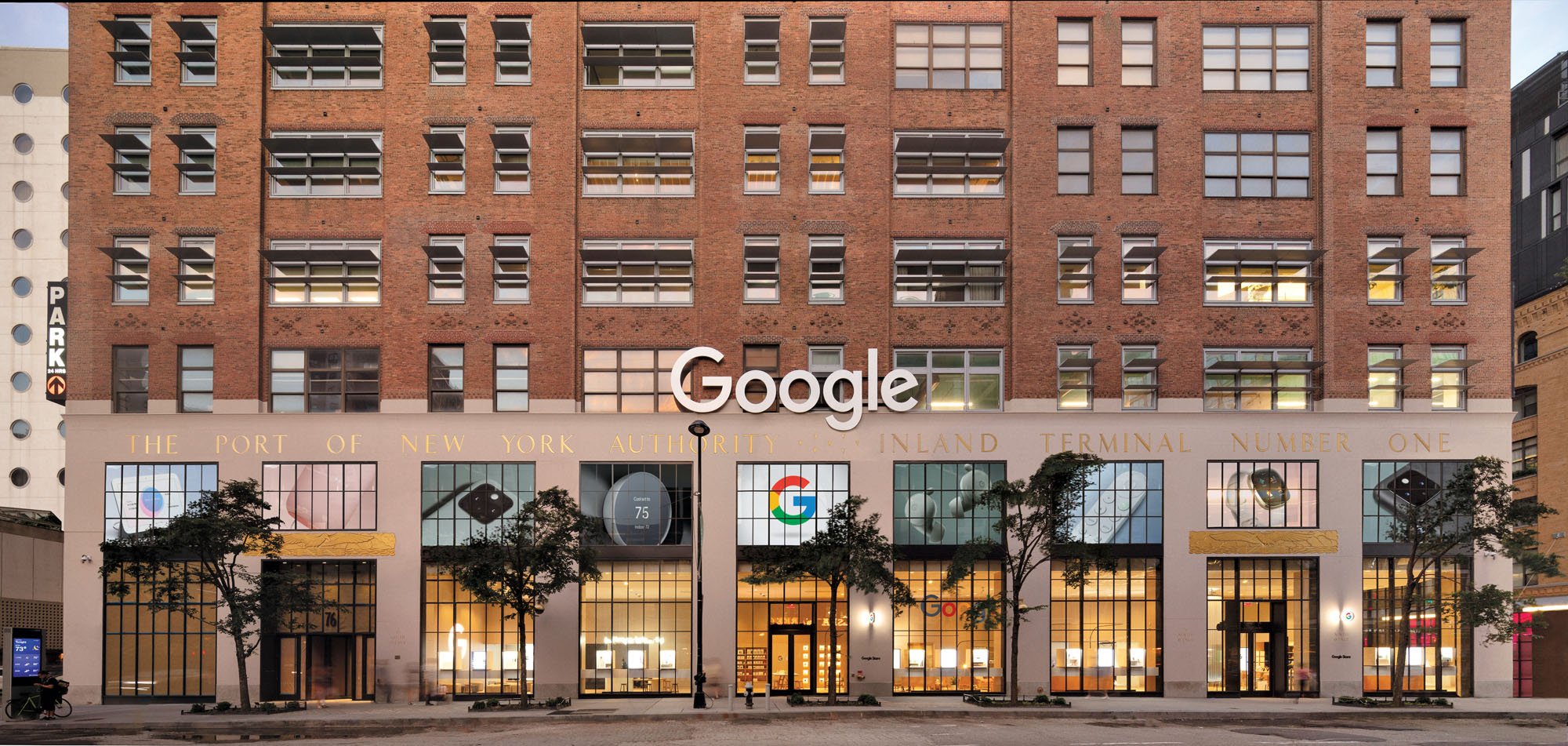
Well-being as an attitude and goal is a big topic on the minds of many women right now, and we see this evident in their design decisions as emotionally healthy contexts for future users in all kinds of projects. Andrea Steele has been talking about the intersection of neuroscience and architecture since the beginning of her career. Suchi Reddy integrates its Reddymade projects, such as the latest Google Play Store, with a neuroscience philosophy. In their collaboration with Verona Carpenter, the design collective WIP theme discusses the theme of a multi-neuron city. Farmmm by Sasha Topolnytska, a collection of games and soft toys, focuses on positive emotional experiences. The impact of design on our minds and mental health will be important to focus on as we try to find our way into a post-pandemic world.
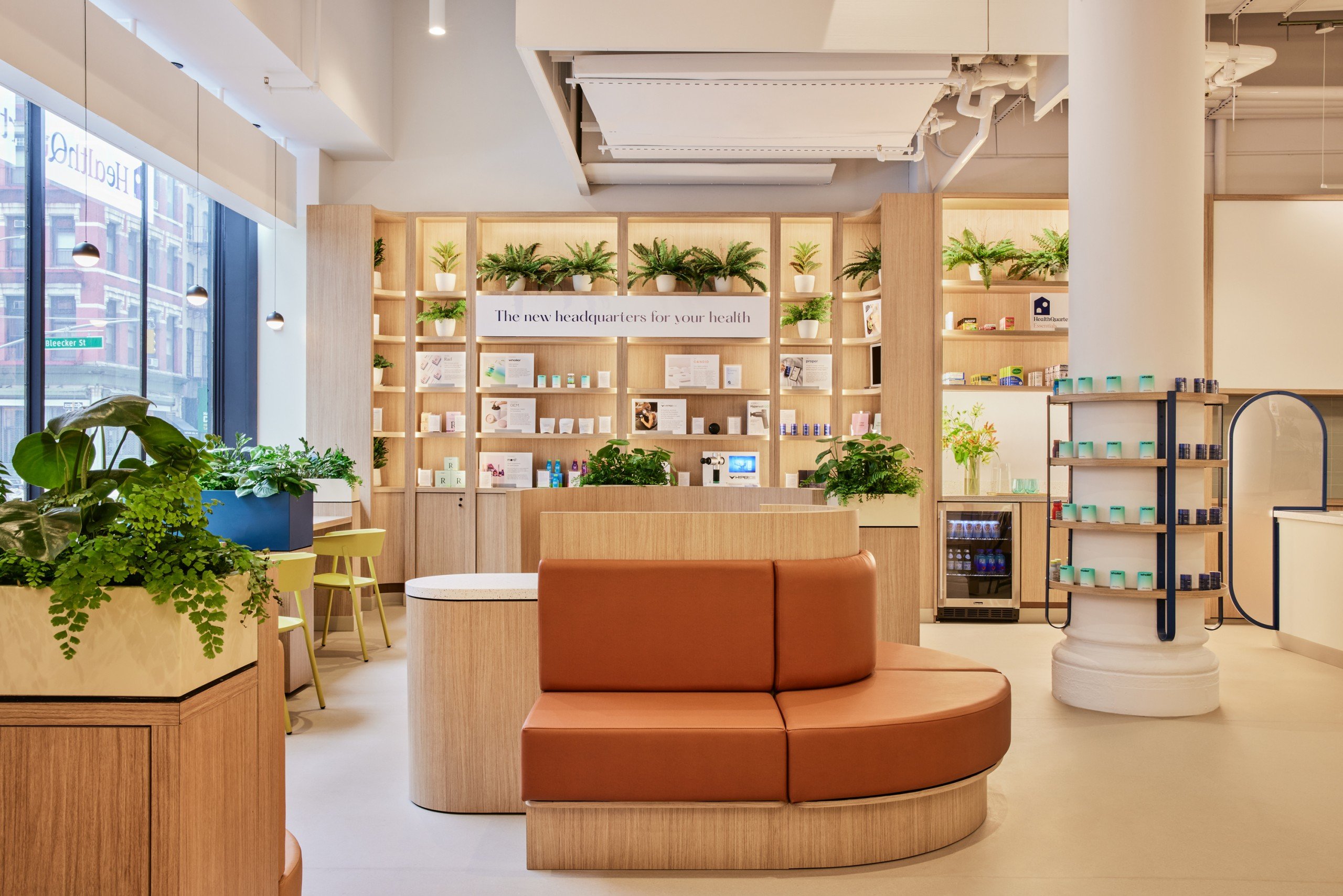
In 2020, at the height of the pandemic in the United States, we saw that home caregiving duties fell more on the shoulders of women; Now they find themselves in a similar situation in their workplace. Women tend to create employee resource groups in their companies and hire employees from underrepresented communities. This has also been reflected in design groups, such as WIP, that have formed during the pandemic, and in the ethnic composition of employees in women-led companies. Moreover, the styles and users designed by women are distinct. Designing for children, designing healthy spaces, designing for people with disabilities, caring for and for peers – these discussions and follow-ups occur largely through companies and women-led initiatives. Alda Ly’s many healthcare projects for progressive and innovative companies such as Tia Clinic, Alto Pharmacy, Liv by Advantia Health, and HealthQuarters, reflect exactly this.
According to the report, the representation of women across occupational pipelines has increased since 2016. However, women—particularly women of color—remain significantly underrepresented in leadership. From the conversations I’ve had, this lack of representation is still an issue in architecture as well. Companies need to continue investing in women at every stage – recruiting, promoting, and supporting them. There is no shortage of brilliant leaders or emerging professionals to draw on, and women are creating more and more platforms to ensure these people emerge. Pascal Sablin’s “Beyond the Built Environment” celebrates these leaders; The newly launched Tiara Hughes’ First500 does just this for black women; “Bida” Farida Abu Bakr for interior designers too; and Primaverarch for emerging stars. Companies, regardless of size, need to leverage these resources to prioritize hiring, mentoring, and providing resources at all levels. This work would never be done with a one-shot solution; It requires rhythmic and consistent dedication.
Ultimately, the exercise of care — in design decisions, in the choice of styles, and in the organization of the studio — cannot be the sole responsibility of the woman. Moreover, this work and initiative must be recognized, rewarded, and rewarded as it adds significant value and impacts the health of organizations and cities. Through my years in the industry, and after hundreds of interviews I’ve given, what I’ve found is that in the end, better companies do a better job. The effort and care that companies put into their projects should translate into the effort and care they put in their employees, and this translation should not be the responsibility of women.